The Truth About Concrete Vibrators: Pros & Cons

Grant Cool • March 14, 2026

Watching a heavy cement truck pour fresh concrete onto a project site is a fascinating experience. The heavy, fluid material flows into the wooden molds, and workers quickly spread it around with large shovels and rakes. To the untrained eye, this process looks incredibly simple. You just pour the mix, smooth the top, and wait for it to dry, right? Unfortunately, creating a durable, long-lasting concrete slab requires much more than just pushing wet material around. When fresh concrete flows out of the mixer, it naturally traps hundreds of hidden air pockets within the heavy paste. If these air bubbles stay trapped inside the mix as it cures, they create microscopic weak spots.


Over time, these invisible voids lead to severe crumbling, surface scaling, and deep structural cracks. To solve this massive problem, construction professionals rely on a specialized, powerful tool known as a concrete vibrator. At Concrete Rio Rancho, we believe that an educated property owner makes the absolute best decisions for their home or business. We want you to understand exactly how we build surfaces that last for decades in the harsh New Mexico climate. This comprehensive guide will explain the science behind concrete consolidation, the pros and cons of vibrators, and how our team guarantees a flawless finish.


What Exactly Is a Concrete Vibrator?

Before we dive into the specific pros and cons, we need to understand how this equipment actually works. A concrete vibrator is a heavy-duty mechanical tool used immediately after contractors pour wet concrete into the formwork. The most common type features a rapidly vibrating metal cylinder, often called a "poker" or "head," attached to a powerful motor. Construction workers plunge this vibrating head directly into the deep, wet concrete mix. The intense, rapid vibrations send powerful shockwaves throughout the heavy, fluid material. These shockwaves temporarily liquefy the stiff concrete paste, allowing the heavy aggregate stones to settle deeply and tightly into the mold.


The construction industry uses several different types of vibrators depending on the job. Internal vibrators plunge straight into the wet mix and work best for driveways and deep foundations. External vibrators attach directly to the outside of the wooden formwork, shaking the entire mold to settle the concrete. The specific tool a contractor chooses depends entirely on the depth, shape, and scope of your unique project.


The Undeniable Pros of Using a Concrete Vibrator

When used correctly by a highly trained professional, a concrete vibrator transforms a weak, mediocre pour into a rock-solid masterpiece. This tool provides structural and aesthetic benefits that simple hand-troweling can never achieve. Here is exactly why the best contractors never leave this essential tool off the truck.


Unmatched Structural Strength

The primary goal of any concrete pour is long-lasting structural strength. Concrete naturally contains a specific ratio of water, cement powder, and air. When you first pour the mix, the heavy aggregates like crushed stone and sand tend to bind together loosely. A concrete vibrator forces these heavy materials to settle tightly together. This physical process, known strictly as consolidation, drastically increases the overall density of the finished slab. A dense, tightly packed slab can hold significantly more weight without buckling or cracking under the pressure. If you are pouring a heavy-duty driveway for large vehicles, this increased structural integrity is non-negotiable.


Elimination of Hidden Air Pockets

As we mentioned earlier, trapped air acts as the silent killer of concrete surfaces. When thick concrete folds over itself during the pouring process, it traps large, irregular pockets of air. These air pockets, often called "honeycombing" by industry professionals, create hollow voids deep inside the cured slab. When heavy rain or melting snow seeps into these hidden voids during freezing winter months, the water turns to ice and expands. This internal pressure literally shatters the concrete from the inside out. The intense, rapid shaking of a concrete vibrator forces these trapped air bubbles to quickly rise to the surface and escape. Eliminating these voids protects your slab from catastrophic water damage.


A Flawless, Professional Surface Finish

Structural strength remains critical, but aesthetic appeal matters just as much to homeowners and business operators. When you pour a new patio or a decorative backyard walkway, you expect a smooth, pristine surface. Trapped air bubbles often sit right against the edge of the wooden formwork during a pour. When contractors remove the wooden forms from an unvibrated pour, the edges look pitted, rough, and highly unprofessional. A concrete vibrator pushes the wet, creamy cement paste right to the outer edges of the formwork. When the crews finally strip the molds away, you are left with sharp, clean, and visually stunning edges that instantly boost your property's curb appeal.


The Cons and Challenges to Consider

While the structural and visual benefits are incredibly impressive, concrete vibrators are certainly not magic wands. They are powerful, aggressive, and highly sensitive tools that require serious skill to operate. Handing a heavy concrete vibrator to an amateur often causes significantly more harm than good.


The Danger of Improper Technique

The absolute biggest drawback of a concrete vibrator is the steep learning curve required to use it safely. If an untrained worker leaves the vibrating head in the wet mix for too long, the concrete physically separates. The construction industry calls this destructive process "segregation." During segregation, the heavy crushed stones sink straight to the bottom of the slab. The weak, watery cement paste quickly rises to the very top. When the surface finally cures, it becomes incredibly brittle and will begin flaking and chipping off almost immediately. Knowing exactly how long to vibrate the mix requires years of hands-on experience.


Increased Equipment and Labor Costs

Professional-grade concrete vibrators are highly expensive pieces of construction equipment. They require regular mechanical maintenance, specialized power sources, and careful handling between job sites. Purchasing or renting this heavy equipment naturally adds a significant upfront cost to any paving project. Furthermore, using a vibrator requires an extra set of hands on the active job site. While one worker pours the heavy mix and another smooths the surface, a dedicated worker must operate the vibrator in real-time. This additional labor increases the total price of your project. However, skipping this vital step just to save a few dollars always results in massive repair bills down the road.


Risk of Severe Formwork Damage

Concrete vibrators generate an immense amount of physical force in a very short amount of time. If a worker accidentally touches the rapidly vibrating metal head to the wooden formwork or the internal steel rebar, sudden disaster can strike. The intense vibrations easily snap weak wooden forms, causing a complete blowout of the wet concrete across your lawn. If the vibrator hits the steel rebar, it can shake the heavy metal loose from its precise, calculated position. This severely compromises the internal tensile strength of the entire slab. The operator must possess a very steady hand to avoid these expensive mistakes.


How Concrete Rio Rancho Ensures Perfect Results

Pouring fresh concrete represents a massive financial investment in your residential or commercial property. You should never leave the longevity and safety of that investment to chance. At Concrete Rio Rancho, we bring years of specialized experience and top-tier equipment to every single job site we manage.


Applying Expert Technique and Equipment

Our highly trained crews deeply understand the strict, unforgiving science of concrete consolidation. We know exactly which type of vibrator to use for your specific project requirements. Whether we are pouring a thin, elegant backyard patio or a massive, deep commercial building foundation, we always bring the exact right tools for the job. We rigorously train our heavy equipment operators to recognize the exact moment when the concrete becomes perfectly consolidated. We watch the wet surface closely, completely stopping the vibration the second the air bubbles stop rising to the top. This meticulous, careful attention to detail actively prevents segregation and guarantees a rock-solid, uniform slab.


Protecting Your Property and Investment

We do not just show up, turn on the machines, and start pouring concrete blindly. We meticulously engineer our wooden formwork to easily withstand the intense pressure of both the heavy concrete and the powerful mechanical vibrations. We secure every single piece of steel rebar firmly in place so it never shifts or sinks during the intense consolidation process. By taking these critical, preventative measures, we actively protect your property from blowouts, internal honeycombing, and brittle surface flaking. We treat the unseen structural steps with the exact same respect and care as the final decorative finish. When you trust our team with your project, you gain the absolute peace of mind that your new slab is built to survive the elements.


Make Your Next Pour a Complete Success

Understanding the specific tools and techniques behind your construction project empowers you to demand the best quality possible. A concrete vibrator serves as a vital instrument that dictates the entire lifespan of your new surface. It effectively forces out destructive air pockets, creates incredible material density, and consistently delivers a flawless aesthetic finish. However, this incredibly powerful tool requires a masterful, experienced touch.


Amateur mistakes frequently lead to brittle surfaces, ruined wooden formwork, and expensive do-overs. You need a trusted local partner who truly respects the science of the slab and never cuts corners. Do not leave your next major construction project to guesswork or inexperienced, unverified contractors. Contact Concrete Rio Rancho today for a professional consultation and a completely transparent estimate. Let our highly skilled team provide the expert guidance and flawless execution you need for a truly permanent, beautiful result.


Meta Information

Meta title: Concrete Vibrators: Pros, Cons & Expert Tips
Meta description:
Discover the pros and cons of using a concrete vibrator. Learn how Concrete Rio Rancho ensures stronger, flawless slabs with expert consolidation techniques.


You might also like
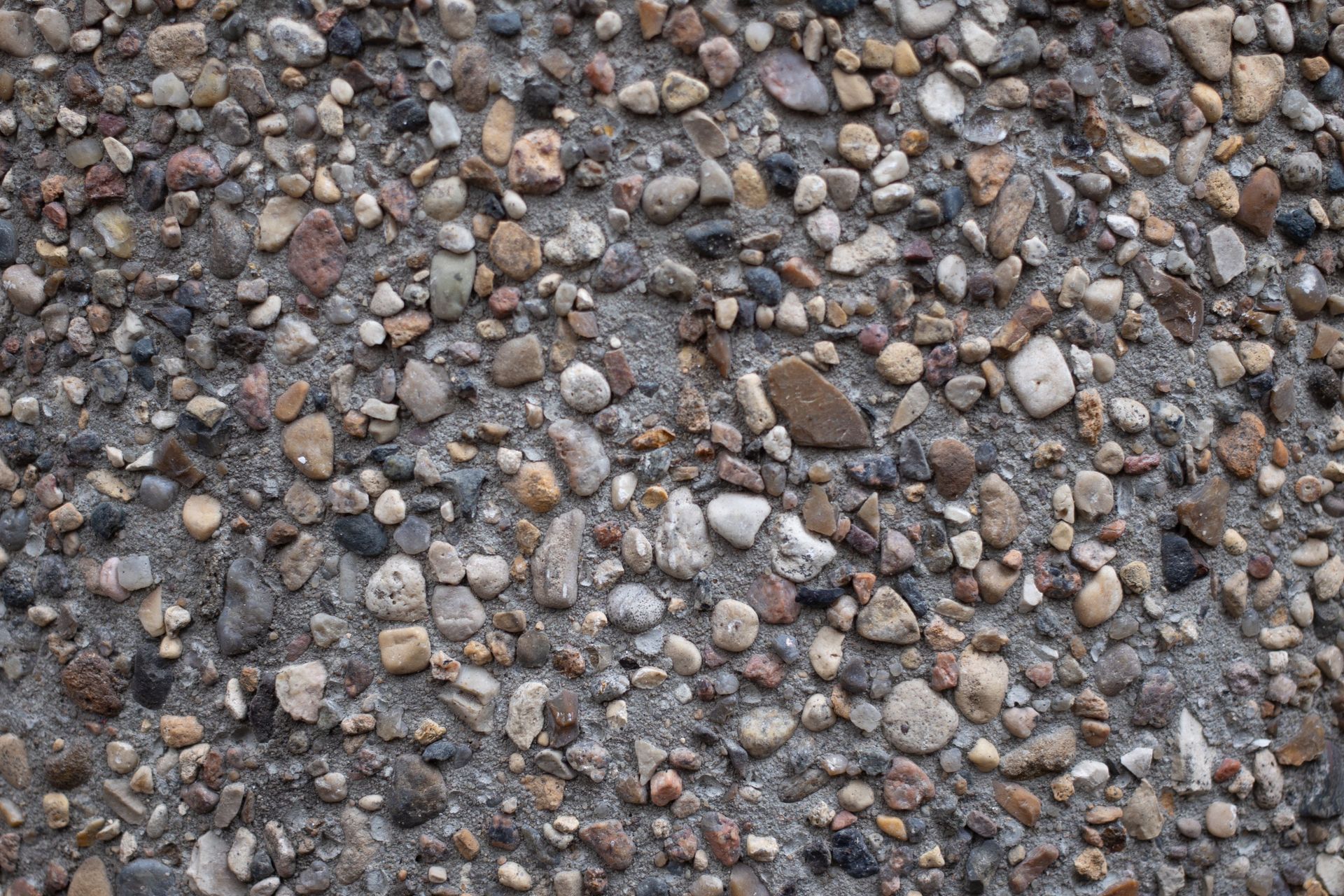
Close-up of a gravel-covered ground with small gray, brown, and tan stones
By Grant Cool August 9, 2026
A plain gray slab gets the job done, but it rarely earns a second glance. Exposed aggregate changes that. By bringing the natural stones and pebbles inside the mix up to the surface, you get concrete that's tough, textured, and genuinely striking—the kind of driveway or patio that fits right into New Mexico's sun-washed landscape. At Concrete Rio Rancho, we think smart choices start with clear information. Before you pour a single yard, you deserve to know what exposed aggregate concrete really is and whether it belongs on your property. In this guide, you'll learn how the finish is built, the benefits that set it apart, where it works best, and the mistakes worth dodging. Here's what you'll walk away with: enough know-how to plan your project with confidence—and a clear next step when you're ready to build. What Is Exposed Aggregate Concrete? Every batch of concrete holds aggregate—the stones, pebbles, and sand that give it strength and body. In a standard slab, those materials stay buried under a smooth skin of cement paste. Exposed aggregate takes the opposite approach. Instead of hiding the stones, we uncover them. The thin top layer of paste gets washed away while the concrete is still curing, so the color and texture of the aggregate become the finished surface. Think of a riverbed after the water drops, leaving polished stone on display. The structure underneath stays every bit as strong. You get a decorative surface and a hardworking foundation in a single pour. Worth knowing: the aggregate you pick defines the whole look, so always review samples in person before you commit. How Exposed Aggregate Concrete Is Made A clean, even finish comes down to method and timing. Here's how the process unfolds on a real job site. Mixing and Pouring We prep the site and formwork just like any concrete project—grading the ground, setting the forms, then pouring and leveling the concrete. If the decorative stone is blended into the batch, it goes in at this stage. Seeding vs. Integral Methods There are two ways to introduce decorative stone, and the choice shapes both cost and appearance. Seeding method: stones are scattered across the wet surface and pressed in with a float. This puts a specific, premium aggregate exactly where it'll be seen. Integral method: the aggregate is mixed throughout the entire batch. Wherever the surface is exposed, stone appears—no separate seeding step needed. Seeding gives you tighter control over a showpiece stone, while the integral approach stays consistent throughout the slab. Exposure Timing This is the make-or-break moment. Before the slab fully hardens, we wash and brush away the top layer of paste to reveal the stones. Time it right and the surface comes out crisp. Move too early and stones dislodge; wait too long and the paste sets like armor. Reading that short window is where hands-on experience pays off. Sealing and Finishing Once the surface cures and gets a thorough cleaning, we apply a quality sealer. Sealing deepens the stone color, blocks stains, and adds a soft sheen that makes the aggregate pop. It's the finishing touch that protects everything before it. Key Benefits of Exposed Aggregate Concrete Good looks draw people in, but the practical advantages close the deal. Outstanding Durability The tough stones sit right at the surface, absorbing the wear from foot traffic, tires, and weather. That means it holds its character for decades—longer than a plain troweled slab. Natural Slip Resistance Smooth concrete turns slick the moment it's wet. The textured surface of exposed aggregate gives your feet something to grip, which makes it a smart pick for pool decks, sloped driveways, and walkways that see the occasional monsoon downpour. Low Maintenance The busy, stone-flecked surface quietly hides dust, hairline cracks, and everyday wear that would stand out on smooth concrete. A rinse now and then plus periodic sealing keeps it sharp with little effort. Aesthetic Versatility Few surfaces offer this much design freedom. You can match the stone, color, and texture to your home, your desert landscaping, or existing hardscape for a custom look plain concrete can't touch. Strong Value You land a high-end, natural-stone appearance for noticeably less than pavers or flagstone. Combine that with its long lifespan, and it's an upgrade that adds real curb appeal and resale strength. Common Applications Around Your Property You can pour it almost anywhere concrete goes, and it shines in a few spots in particular. Driveways: handles vehicle weight with ease while giving the front of your home a polished, welcoming look. Patios: turns a basic outdoor slab into a comfortable, textured gathering space with real depth. Pool surrounds: slip resistance is the headliner here, and lighter stone stays cooler underfoot during hot New Mexico afternoons. Walkways and paths: guides the eye through your yard and ties the landscape together, all with sure footing. For a cohesive result, carry the same finish across connected areas—like a driveway that flows into a matching front walkway. Design Options to Make It Yours The word "exposed" only scratches the surface. This finish is highly customizable across four main levers. Aggregate type: rounded river rock reads smooth and organic, while crushed granite or limestone gives sharper, angular texture. Recycled glass or shells can create a one-of-a-kind statement. Color: stone ranges from warm tans and rusty reds to cool grays, deep blacks, and clean whites. You can also tint the surrounding concrete to complement or contrast. Exposure depth: a light exposure barely reveals the stone tops for subtle texture; a deeper exposure showcases more of each stone for a bolder feel. Aggregate size: fine pebbles produce a refined finish, while larger stones make a dramatic impression. Try this: view physical samples outdoors before deciding. Color and depth photograph poorly, and our bright New Mexico light changes everything. Maintenance Tips to Keep It Looking Great Upkeep is refreshingly simple. A light routine keeps the surface fresh for years. Rinse often. A quick pass with the garden hose clears grit and leaves before they settle into the texture. Clean gently. For deeper cleaning, use mild soap, water, and a stiff broom. Skip harsh acids that eat away at the sealer. Reseal on schedule. Plan on every two to three years, sooner in sun-baked or high-traffic areas. Treat spills fast. Blot up oil and grease quickly so they don't sink in. Watch the joints. Pull weeds early in walkway seams before roots take hold. Each spring, splash a little water on the surface. If it soaks in instead of beading up, your sealer is due for a refresh. Common Mistakes to Avoid Even a great material disappoints when the details go wrong. Steer clear of these. Hiring the inexperienced. The exposure window is short and unforgiving. Poor timing leaves loose stones or bald patches. Skipping the sealer. An unsealed surface stains easily and dulls fast. Sealing is protection, not a luxury. Choosing stone from a screen. Colors behave differently in person and at full scale. Review real samples first. Ignoring drainage. Like any slab, it needs proper slope so water sheds instead of pooling. Getting the mix wrong. The ratio of aggregate to concrete affects both strength and appearance. Frequently Asked Questions Is exposed aggregate more expensive than plain concrete? Yes, somewhat. The decorative stone and the extra labor to expose and seal it add cost over a basic finish. Still, it usually runs well below natural stone or pavers while offering a comparable premium look and better durability. How long does it last? With solid installation and regular resealing, it can perform for decades. Because the durable aggregate sits at the surface, it wears more gracefully than a standard troweled slab. Is it slippery when wet? Quite the opposite. The textured surface delivers natural traction, which is exactly why it's popular around pools and on walkways. Can I add it over my existing concrete? Not directly—exposed aggregate is created during the pour itself. In some cases a decorative overlay can achieve a similar effect. An on-site look tells us what's realistic for your slab. Does it get hot in the sun? Like any outdoor surface it warms up, but lighter-colored stone stays noticeably cooler—a smart choice for pool decks and sun-drenched patios here in Rio Rancho. How often should I reseal it? Every two to three years is a good baseline. When water stops beading on the surface, it's time. Ready to Bring Your Concrete to Life? Exposed aggregate concrete blends the strength and value of concrete with the beauty and grip of natural stone. It resists slips, shrugs off years of use, hides everyday wear, and lets you design a surface that fits your home perfectly. The results, though, live or die on precise timing and thoughtful design—which is exactly where an experienced local team makes the difference. That's our specialty. Concrete Rio Rancho helps homeowners and property owners understand their options, choose the right stone and finish, and get a surface built to last. From driveways and patios to pool surrounds and walkways, we bring the skill and local know-how to do it right the first time. Contact Concrete Rio Rancho today to talk through your project—and let's pour something you'll be proud to show off for years to come. Meta Title: Exposed Aggregate Concrete | Concrete Rio Rancho Meta Description: Learn how exposed aggregate concrete is made, its benefits, and design options. Concrete Rio Rancho helps you choose with confidence—get the details.
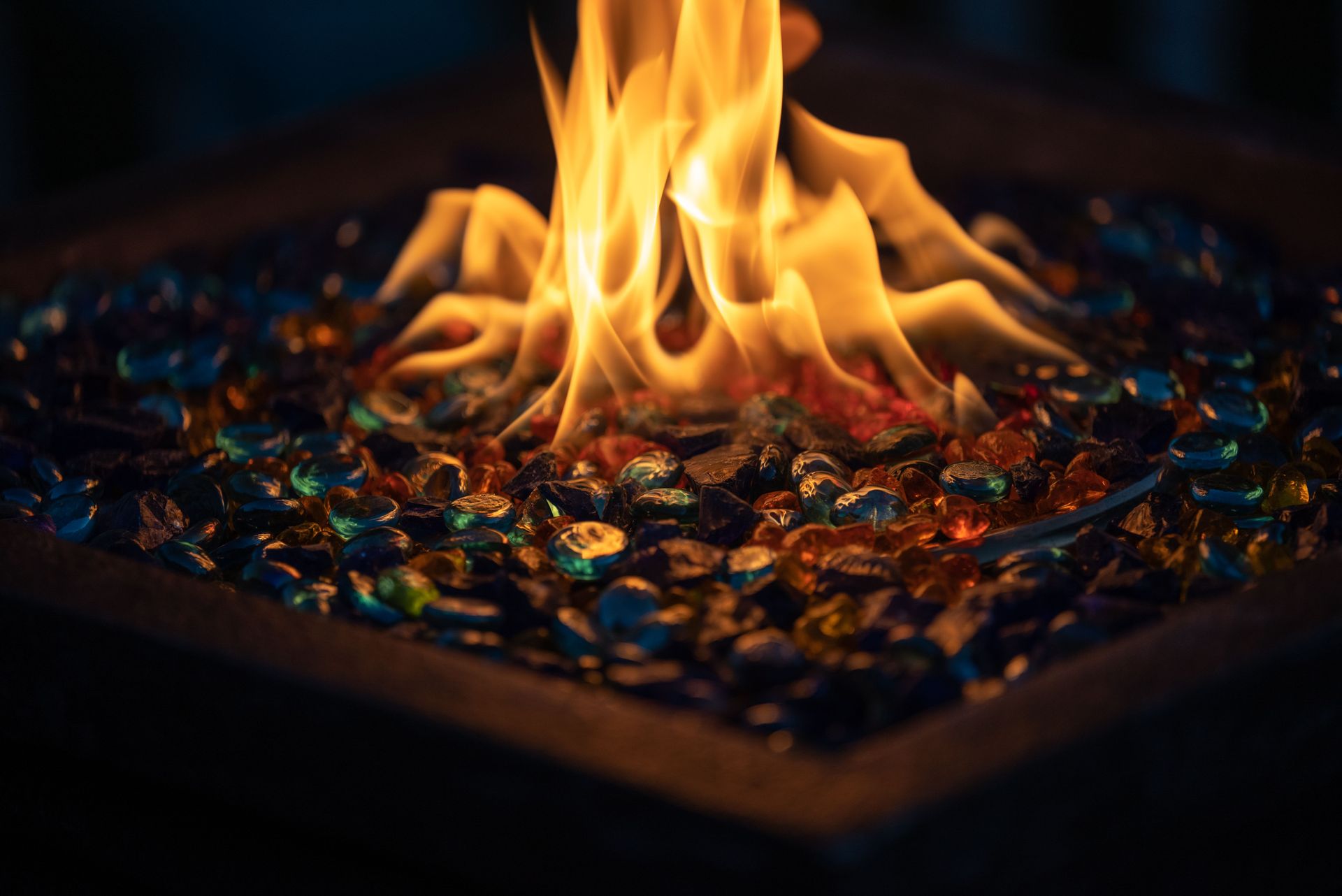
Flames rising from a shallow tray of colorful embers in a dark setting
By Grant Cool July 31, 2026
There's a moment on any patio when the sun slips away and the temperature drops. Without a source of warmth, everyone heads inside. Add a fire feature, though, and that same patio becomes the spot no one wants to leave. Flames dancing against a beautifully finished concrete surface pull people together, stretch the evening longer, and give your whole yard a reason to shine after dark. At Concrete Rio Rancho, we specialize in helping homeowners take their concrete surfaces from purely functional to genuinely spectacular. Fire and concrete make an ideal pairing. Concrete resists heat, holds up against harsh weather, and bends to almost any design you can imagine. That combination lets us build fire features that look stunning today and stay strong for decades. Below, you'll find the fire options that work best with concrete, the ways each one enriches your outdoor life, plus honest guidance on design, safety, and the pitfalls smart homeowners sidestep. Fire Feature Options Built for Concrete Homeowners are often surprised by how many directions a fire feature can take. Every style carries its own character, and concrete strengthens each one while opening the door to custom shapes, finishes, and colors. Here are the choices we're asked about most. Concrete Fire Pits The fire pit remains the crowd favorite for a reason. It offers an open, contained space for wood or gas flames and pairs naturally with a circle of chairs. Formed from cast or poured concrete, a fire pit carries a solid, earthy presence that settles comfortably into any backyard style. Design note: Settle your fuel source before anything else. Wood rewards you with crackle and campfire scent, while gas hands you clean flames the instant you want them. Fire Tables A fire table marries a working surface with a ribbon of flame across the top. It's the polished pick for hosting, since friends can rest drinks and plates while soaking in the heat. Rendered in concrete, a fire table carries real weight and a modern edge that grounds an entire seating arrangement. Design note: Coordinate the table's height with your furniture. Shorter builds complement lounge seating, while taller ones suit dining chairs. Fire Bowls Compact and sculptural, fire bowls read almost like outdoor art. These rounded vessels cradle a contained flame and often appear in pairs to accent a walkway, pool edge, or set of steps. Cast in concrete, they marry graceful form with genuine toughness. Design note: Frame a focal point with two matching bowls. The mirrored placement lends an instantly upscale feel. Fire Pit Surrounds A surround is the finished concrete perimeter and seating that wraps a fire pit. It pulls the whole zone together, offering room to sit, rest a glass, or mark off the space as its own outdoor room. A thoughtfully built surround transforms a simple pit into a destination. Design note: Make it broad enough to serve as bench seating. You'll conserve space and create a welcoming ring around the flames. In-Ground Fire Pits Sitting flush with your patio, an in-ground fire pit delivers a clean, understated look that leaves your sightlines wide open. Because it nestles into the surface, it feels woven into the landscape rather than perched on top of it. Concrete forms a crisp, lasting rim that shrugs off relentless heat. Design note: Build in drainage from the start. A low, integrated design needs a clear runoff path so rainwater never lingers. Concrete Hearths A hearth brings fire into more architectural territory, whether as the base of an outdoor fireplace or a raised platform for a vertical feature. Concrete hearths radiate a warm, enduring quality and blend seamlessly with stone, tile, or stucco surrounds for a fully custom result. Design note: Use the hearth to anchor your layout. A raised concrete hearth can shape an entire outdoor living zone around it. How Fire Features Enrich Your Outdoor Living The value of a fire feature reaches well past the warmth it throws. It reshapes how—and how often—you actually use your yard. More time outside. Cool spring mornings and brisk autumn nights stop chasing you indoors. A fire feature adds comfortable months to your outdoor calendar. A magnet for togetherness. Flames draw people in. A fire feature becomes the natural center of gravity where conversation slows down and lingers. Effortless atmosphere. Flickering light instantly softens and warms a space. It's what separates a patio you walk across from one you settle into. A meaningful upgrade. A permanent, expertly built fire feature adds lasting appeal. A polished outdoor living area rarely goes unnoticed by future buyers. Since concrete adapts to nearly any form, finish, or scale, we can shape these advantages around your exact taste and layout. Few outdoor investments give back this much. Design and Style Tips The best fire features feel intentional, as though they were part of the plan all along. A handful of choices determine whether yours reads as custom or added-on. Form and geometry. Circular designs feel relaxed and communal, while square or linear shapes signal a modern sensibility. Choose lines that answer your home's architecture. Finish and texture. Concrete spans an impressive range. A honed, smooth face looks contemporary, while board-formed or textured surfaces bring depth and warmth. Color. Integral pigments and stains let you tie the feature to your patio, siding, or plantings for a unified palette. Proportion. Fit the feature to the space and your crowd. An oversized fire table swallows a small courtyard, and a petite bowl vanishes on a wide deck. Fuel choice. Wood and gas each influence both look and upkeep. Gas lines and burners require early planning, so lock in your fuel type during design. Design note: Share photos of your patio and home with us. Seeing the full picture helps us steer you toward a feature that harmonizes with everything around it. Safety Considerations Beauty and fire coexist only when safety comes first. Concrete's natural heat resistance gives you a dependable starting point, but thoughtful planning carries equal weight. Honor clearances. Position the feature well away from your home, fencing, low branches, and any flammable material. Specify heat-rated materials. Not every concrete mix withstands repeated heat identically. Proper heat-rated components and liners guard against cracking. Allow for airflow. Fire needs oxygen to burn cleanly and safely, a point that matters especially for gas setups. Leave gas work to the pros. Gas lines and connections demand qualified installation—never a corner worth cutting. Keep safety gear within reach. A fire extinguisher, hose, or bucket of sand nearby lets you respond fast if the need arises. Never walk away from an active fire. Fully douse the flames before heading inside, and keep a watchful eye on kids and pets. Common Mistakes to Avoid A bit of planning heads off the errors that can undermine even a gorgeous fire feature. Using standard concrete for heat. Ordinary mixes can crack under constant high temperatures. Heat-rated materials and solid reinforcement are non-negotiable. Careless placement. Set too near a structure, tucked into a windy pocket, or dropped in a busy walkway, a fire feature loses both safety and charm. Weigh location carefully. Postponing fuel decisions. Choosing gas after the build often means expensive retrofits. Nail down your fuel type before construction starts. Neglecting drainage. In-ground and low-profile designs need proper runoff so water never pools. Tackling complex builds solo. Custom concrete, gas hookups, and heat management call for real skill. Rushed DIY attempts tend to show—and can turn dangerous. Treating it in isolation. A fire feature should converse with your patio, seating, and greenery. Design it as one piece of a cohesive whole. Frequently Asked Questions Is concrete a safe material for fire features? It is. Concrete resists heat by nature, which makes it a smart foundation. The key lies in using heat-rated materials and sound construction so it endures high temperatures without cracking. Wood-burning or gas—which should I pick? That depends on how you like to live. Wood offers the traditional crackle and aroma but calls for fuel storage and cleanup. Gas gives you instant, adjustable flames with lighter maintenance. We'll walk you through both. Can a fire feature be added to concrete I already have? Frequently, yes. Freestanding pieces like fire bowls and tables often sit well on existing surfaces, while in-ground pits and hearths are best planned as part of a larger build. An on-site assessment reveals what your space can support. How much upkeep do concrete fire features require? Not much. Concrete is durable and easygoing. Periodic cleaning and occasional sealing keep it looking sharp, and gas systems benefit from routine safety checks. Will my fire feature crack as the years pass? Built correctly with heat-rated concrete, it holds up remarkably well. The right mix, proper reinforcement, and professional installation are what protect your investment over the long haul. What fire feature suits a smaller yard? Compact choices such as fire bowls or a modest in-ground pit perform beautifully in tighter areas, delivering warmth and style without crowding the space. Let's Bring Fire to Your Concrete A fire feature ranks among the most rewarding upgrades you can make to an outdoor space. Whether you're drawn to a sturdy fire pit, a refined fire table, a set of sculptural bowls, a sleek in-ground design, or a timeless hearth, the right choice lengthens your seasons, gathers your people, and hands your yard a true focal point. The magic is in matching the feature to your space and building it right so it performs safely, year after year. That's precisely our craft. Concrete Rio Rancho partners with you from the first sketch to the first spark, helping you find fire features that elevate your concrete surfaces—backed by heat-rated construction and the expert local workmanship you deserve. Reach out to Concrete Rio Rancho today to talk through the fire feature you're imagining, and let's create an outdoor space your family and friends will gather around for years to come. Meta Title: Elevate Your Concrete With Fire Features | Concrete Rio Rancho Meta Description: Discover fire features that elevate your concrete surfaces—fire pits, tables, bowls, in-ground designs, and hearths. Concrete Rio Rancho helps you design and build.
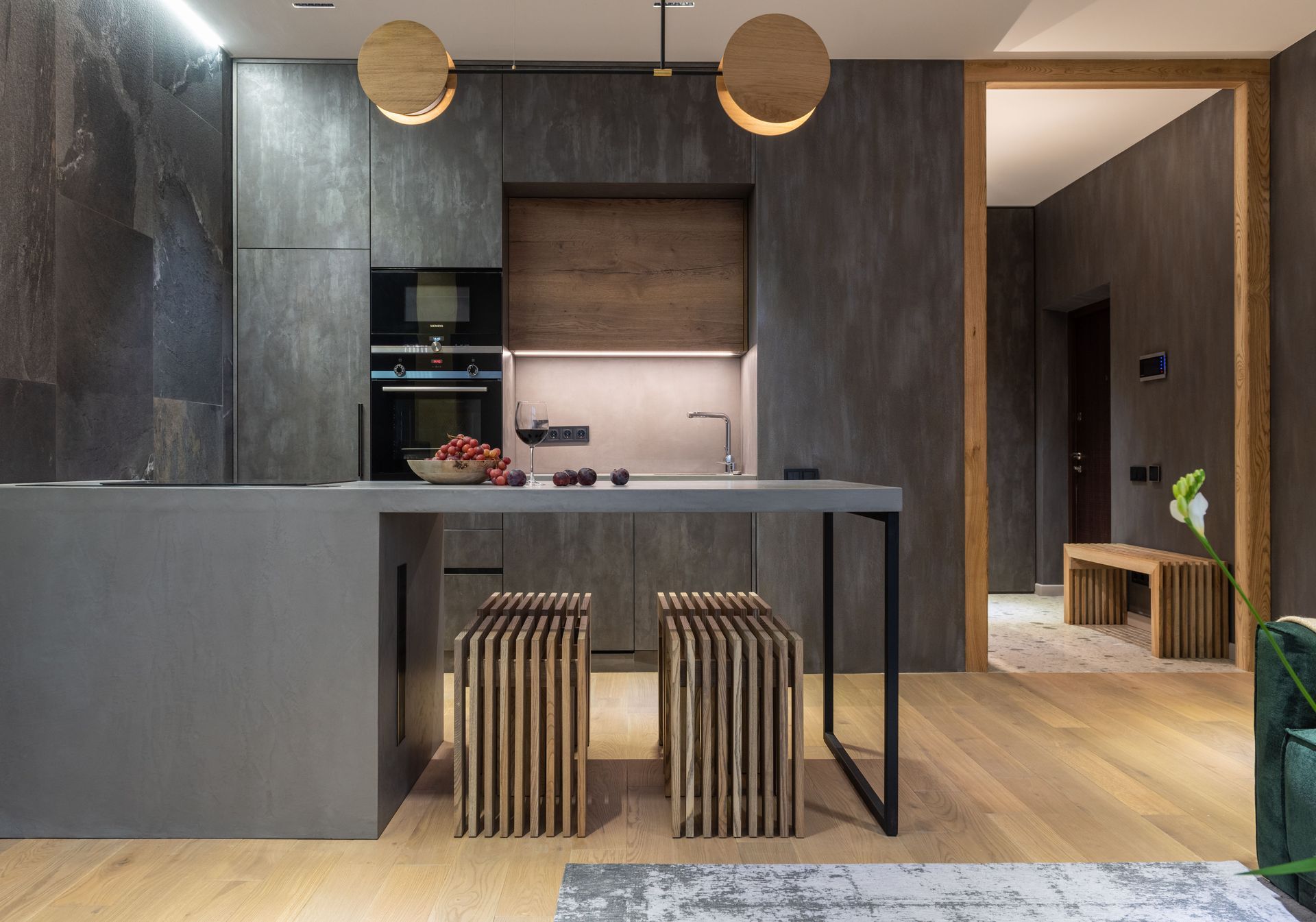
Modern kitchen with dark cabinets, stone island, striped stools, and warm pendant lights
By Grant Cool July 15, 2026
Plain gray concrete is a relic of the past. Modern concrete can shimmer with embedded glass, echo the look of natural stone, glow with deep custom color, and even warm your feet on a frosty morning. If your idea of concrete stops at a dull slab, get ready for a pleasant surprise. At Concrete Rio Rancho, we help homeowners turn ordinary concrete into striking features that reflect their style and lift their entire space. In this guide, you'll explore the most stunning upgrades available for concrete surfaces—decorative finishes, embedded objects, custom coloring, engraving, epoxy coatings, radiant heating, and custom edges. Along the way, you'll pick up practical tips for each option, answers to common questions, mistakes to avoid, and a clear next step to make it all happen. Here's what we'll cover: Decorative finishes that reinvent the look Embedded objects for a truly custom surface Custom coloring that makes concrete yours Engraving, epoxy, radiant heat, and edge profiles Decorative Finishes That Reinvent the Look The finish you choose sets the mood for the entire surface. These three options are the most popular ways to move past plain concrete—and each brings its own personality. Stamped Concrete Stamped concrete presses molds into fresh concrete to replicate brick, slate, cobblestone, or wood planks. You get the high-end look of premium materials without the price tag, the grout lines, or the shifting pavers. It's a standout choice for patios, driveways, and walkways. Exposed Aggregate This finish reveals the natural stones inside the concrete, creating a textured, pebbled surface with real visual depth. It also delivers excellent slip resistance, which makes it a smart pick for pool decks and outdoor steps. Polished Concrete Grinding and polishing the surface produces a sleek, glossy finish that catches the light beautifully. Polished concrete resists stains, asks for little upkeep, and brings a clean, modern feel to interior floors. Practical tip: Match the finish to the space. Smooth polish shines indoors, while textured exposed aggregate keeps things safe wherever water is involved. Embedded Objects for a Truly Custom Surface Want a surface no one else has? Embedding objects into concrete makes it possible. During the pour or finishing stage, we set materials right into the surface for a one-of-a-kind result. Stones and pebbles for an earthy, organic feel Recycled or colored glass that sparkles in the light Seashells for a coastal, personal touch Tile fragments or metal accents for artistic flair Embedded features work beautifully as focal points—picture a decorative border, a countertop flecked with glimmering glass, or a patio inlay that sparks conversation. Practical tip: Objects near the surface need proper sealing to stay secure and vibrant. This is delicate work best left to a professional to avoid loose or uneven results. Custom Coloring That Makes Concrete Yours Color is where concrete truly becomes personal. There are three main ways to add it, each with a distinct effect. Integral Pigments Pigment is mixed into the concrete before it's poured, running color all the way through the material. The result is a consistent, lasting tone that won't fade or chip away over time. Acid Staining Acid stains react chemically with the concrete to create rich, marbled, variegated tones. No two stained surfaces look exactly alike, giving you depth and character that can't be copied. Dyes Concrete dyes deliver bold, vibrant, and precise color. They're ideal when you want a specific shade or a more uniform, saturated look. Practical tip: Combine methods for striking results—an integral base color layered with acid-stain accents, for example. We'll show you samples so you know exactly what to expect before we commit. Engraving and Custom Patterns Engraving cuts designs, borders, or patterns directly into cured concrete. It's a subtle yet powerful way to make a surface feel intentional and unique. Popular options include geometric patterns, tile-look grids, medallions, and even custom logos or family monograms. Engraving pairs especially well with staining, since the cut lines and color work together to define the design. Practical tip: Engraving works on both new and existing concrete, so you can refresh a plain slab you already have—no full replacement required. Epoxy Coatings for Style and Protection Epoxy coatings pull double duty: they look incredible and shield the surface below. Applied over concrete, epoxy forms a durable, seamless layer that resists stains, chemicals, and abrasion. The design possibilities are impressive: Metallic epoxy with swirling, three-dimensional depth Flake or chip systems for a speckled, textured finish Solid colors for a clean, high-gloss look Epoxy is a favorite for garage floors, basements, and high-traffic areas where durability matters as much as style. Practical tip: Surface prep makes or breaks an epoxy job. Proper cleaning, etching, and curing are essential for a coating that lasts—one more reason to trust professional installation. Radiant Heating Beneath Concrete Here's a feature that turns concrete from cool to cozy. Radiant heating systems install beneath the surface, warming the concrete from below and radiating steady, even heat into the room. It's an efficient way to warm floors evenly, banish cold spots, and enjoy toasty surfaces underfoot on chilly mornings. Because concrete holds heat so well, it's a natural partner for radiant systems. Practical tip: Radiant heating must be planned before the pour, so raise it early in the design conversation. Retrofitting later is far more difficult and expensive. Custom Edge Profiles Edges are easy to overlook, but they shape how polished a surface feels. Custom edge profiles define the border of countertops, patios, and steps with a finished, deliberate touch. Options range from crisp, square modern edges to rounded bullnose profiles and decorative chiseled or beveled looks. The right edge pulls the whole design together and signals quality craftsmanship. Practical tip: Balance style with function. Rounded edges are safer in homes with small children, while sharp square edges lean contemporary. Common Mistakes to Avoid A few missteps can undercut even the best design ideas. Keep these in mind: Skipping the sealer. Decorative finishes, colors, and embedded objects all need proper sealing to stay protected and vivid. DIY on complex features. Stamping, embedding, and epoxy demand skill and precise timing. Rushed or amateur work tends to show. Planning heating too late. Radiant systems must go in before the pour—decide early. Ignoring the setting. Choose finishes and colors that complement your home and hold up to how you actually use the space. Frequently Asked Questions Can these features be added to existing concrete? Some can. Engraving, staining, epoxy coatings, and polishing often work on existing surfaces. Others—like embedded objects, stamping, and radiant heating—need to happen during a new pour. Which decorative finish is most durable? All hold up well when sealed correctly. Epoxy and polished concrete are especially tough for high-traffic areas, while stamped and exposed aggregate excel outdoors. Do colored or decorative surfaces need special maintenance? Not much. Regular cleaning and periodic resealing keep colors bright and finishes protected for years. Is radiant heating worth it under concrete? For many homeowners, yes. Concrete holds and radiates heat efficiently, making it a comfortable, even, and cost-effective way to warm a room. Can I combine multiple features? Absolutely. Some of the best results mix finishes—like a stamped patio with custom color and a decorative edge, or a polished floor with engraved accents. **How do I know which features fit my project?**That's where a local expert helps. Concrete Rio Rancho assesses your space, style, and goals, then recommends the options that work best together. Bring Your Concrete Vision to Life Concrete is far more versatile than most people expect. With decorative finishes, embedded objects, custom coloring, engraving, epoxy coatings, radiant heating, and tailored edges, you can transform a plain surface into a genuine showpiece. The secret is choosing the right combination for your space—and installing it correctly so it lasts for years. That's exactly what we do. Concrete Rio Rancho works with you from first idea to final finish, helping you explore stunning options and bring them to life with expert local craftsmanship. Contact Concrete Rio Rancho today to talk through the features you have in mind—and let's create a concrete surface that's truly your own. Meta Title: Stunning Concrete Surface Features | Concrete Rio Rancho Meta Description: Discover stunning features for your concrete surfaces—stamped finishes, embedded glass, custom color, epoxy, radiant heat, and more. Concrete Rio Rancho can help.

Book a Service Today