Upgrade Your Outdoor Space with Concrete Planters from Concrete Rio Rancho

Grant Cool • June 3, 2026

A well-designed outdoor space does more than look good. It gives you a place to unwind, entertain, and connect with your surroundings. If your patio feels unfinished, your front entry lacks character, or your garden beds need more structure, concrete planters can make a real difference. At Concrete Rio Rancho, we help homeowners bring their outdoor visions to life with durable, attractive concrete solutions — including planters that work beautifully across every corner of your property.


Why Concrete Planters Are a Smart Choice

You have plenty of options when it comes to outdoor planters. Plastic, wood, terracotta, and resin all show up at garden centers in every size and color. But most of those materials share a common weakness: they do not hold up over time. They crack, fade, warp, and chip, often within just a few seasons of outdoor use. Concrete planters are built differently. Here is why so many homeowners choose them.


Long-Lasting Durability

New Mexico weather puts outdoor materials to the test. Intense summer heat, sudden temperature drops, and high desert conditions wear down weaker materials fast. Concrete handles all of it without degrading. A concrete planter holds its shape, color, and structural integrity for years — no cracking from UV exposure, no warping from moisture, no splitting after a hard freeze.


Solid Stability

Large ornamental grasses, climbing plants, and tall shrubs create top-heavy containers that tip easily in strong wind. Concrete stays grounded. That weight is a genuine advantage in high-traffic areas like entryways, patio edges, and pool decks where a falling planter could cause damage or injury.


Visual Versatility

Concrete is far from a one-look material. You can finish it smooth for a clean, contemporary appearance or texture it to resemble natural stone. You can tint it to match your home's exterior palette or choose a bold contrast that makes your greenery pop. Whether your landscape style is modern, rustic, desert-inspired, or traditional, concrete planters adapt to fit it naturally.


A Better Growing Environment

Concrete breathes slightly, which helps regulate soil moisture and prevents the waterlogged conditions that rot plant roots. It also insulates roots from sharp temperature swings better than thin plastic or metal alternatives. For plants that need stable, well-drained conditions, concrete provides an ideal home.


Creative Ways to Use Concrete Planters Around Your Home

The right planter in the right spot can completely shift how an outdoor area feels. Here are some of the most effective places to incorporate concrete planters on your property.


Patios and Outdoor Seating Areas

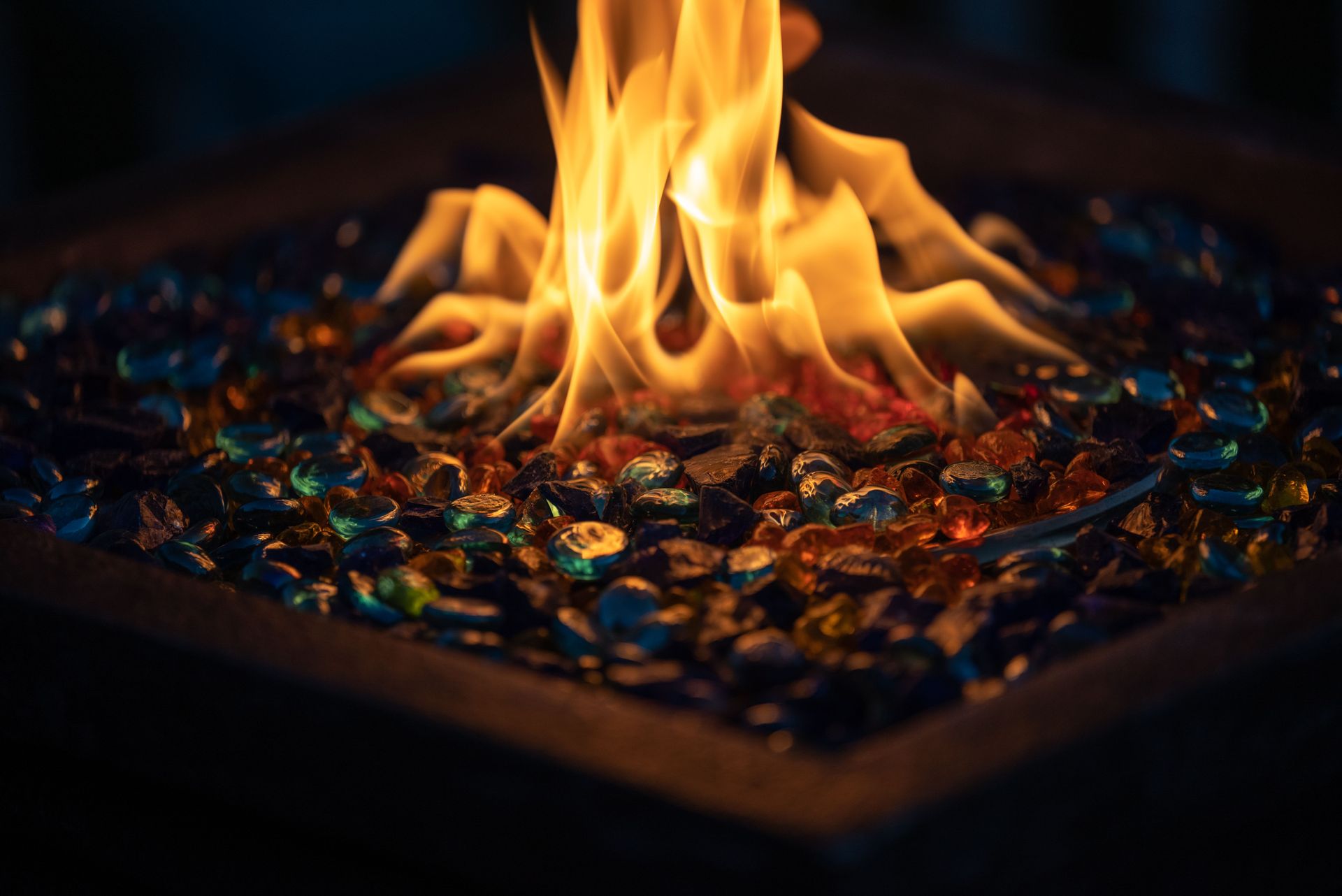
A patio without plants often feels cold and incomplete. Concrete planters give you an easy way to introduce greenery, define your seating area, and add color without permanent construction. Place a pair of large planters at the corners of a dining area to frame the space. Group smaller planters near a fire pit or grill station to soften the edges and add texture. Mixing container sizes and plant heights creates depth. Try wide, shallow planters with trailing ground covers alongside taller containers filled with ornamental grasses or flowering plants. The layered result feels designed rather than scattered.


Entryways and Front Walkways

Your front entry shapes the first impression your home makes. A matched pair of concrete planters flanking your front door instantly adds polish and warmth. Choose plants that offer visual interest across multiple seasons — dwarf evergreens for year-round structure, bright annuals for summer color, or ornamental cabbages for fall contrast. Along a walkway, evenly spaced planters create a natural visual rhythm that guides visitors toward your entrance. It is a straightforward upgrade that noticeably improves your home's curb appeal.


Garden Beds and Landscape Borders

Concrete planters do not have to stand alone in open space. Place them within existing garden beds to lift certain plants above the surrounding soil level, creating visual variety and drawing attention to your favorite specimens. Low, wide concrete planters also serve as functional raised borders, holding soil in place, defining planting zones, and giving your landscape a clean, structured edge.


Courtyards and Enclosed Outdoor Areas

In courtyards and enclosed outdoor rooms, concrete planters thrive. They will not fade from reflected heat or deteriorate from trapped moisture the way wood and composite materials do. Large planters filled with tall grasses or leafy tropical plants can serve as natural privacy screens, creating separation and enclosure without permanent walls or fencing.


Poolside Settings

Around pools, material choice matters a great deal. Concrete planters hold up against constant moisture, chemical exposure from pool water, and intense reflected sunlight. They stay stable on wet surfaces and will not float, tip, or deteriorate after a splashing season. Paired with the right plants, they add a polished, resort-inspired look to any backyard pool area.


Matching Plants to Concrete Planters

Concrete planters work with a wide range of plants. These are some of the best performers in container-grown settings:

  • Succulents and cacti — thrive in the slightly drier conditions concrete naturally promotes, a perfect match for New Mexico's climate
  • Mediterranean herbs like rosemary, lavender, and sage — love excellent drainage and warm, dry conditions
  • Ornamental grasses — well-suited for large, deep planters; add movement, texture, and year-round visual interest
  • Seasonal annuals like petunias, zinnias, and marigolds — deliver vibrant color in smaller containers throughout spring and summer
  • Dwarf shrubs and topiaries — create structure and permanence near entryways and formal seating areas


One important rule to keep in mind: match your planter size to the root depth your plant needs at maturity, not just its current size. Giving roots enough room from the start produces healthier plants and saves you from repotting too soon.


Getting the Details Right

A few small oversights can turn a good planter project into a frustrating one. Here are the most common mistakes to avoid:

No drainage planning. Without proper drainage holes, water pools at the bottom and creates root rot. Always build drainage into your planter design before filling it with soil.

Wrong container size. A planter that is too small restricts root development and dries out too quickly in hot weather. Think ahead to the plant's mature size when selecting container dimensions.

Ignoring surface weight limits. Concrete planters carry real weight, especially once filled with soil. If you plan to place them on a wood deck or elevated surface, verify the structure can support the load before you commit to placement.

Using standard garden soil. Regular garden soil compacts tightly in containers and limits root health. Pair your concrete planters with a quality potting mix designed for container growing.


How Concrete Rio Rancho Supports Your Project

Concrete Rio Rancho brings hands-on local knowledge to every project we work on. We help you think through sizing, style, and placement so your planters complement your existing landscape rather than clash with it. We walk you through finishing options and color choices, and we supply the high-quality materials needed to build planters that hold up season after season in the high desert climate.

If your planter project connects to a larger outdoor upgrade — a new patio, raised garden beds, a decorative walkway — we can help you plan those pieces together so everything works as a cohesive design. We are not just a materials supplier. We are your local partner from the first idea to the finished result.


Let's Build Something That Lasts

Concrete planters are one of the most practical and visually impactful upgrades you can make to your outdoor space. They outlast the alternatives, hold up in New Mexico's demanding climate, and adapt to virtually any design style. Contact Concrete Rio Rancho today to talk through your concrete planter ideas. Our team will provide the materials, local expertise, and practical guidance you need to create an outdoor space you will enjoy for years to come.


You might also like
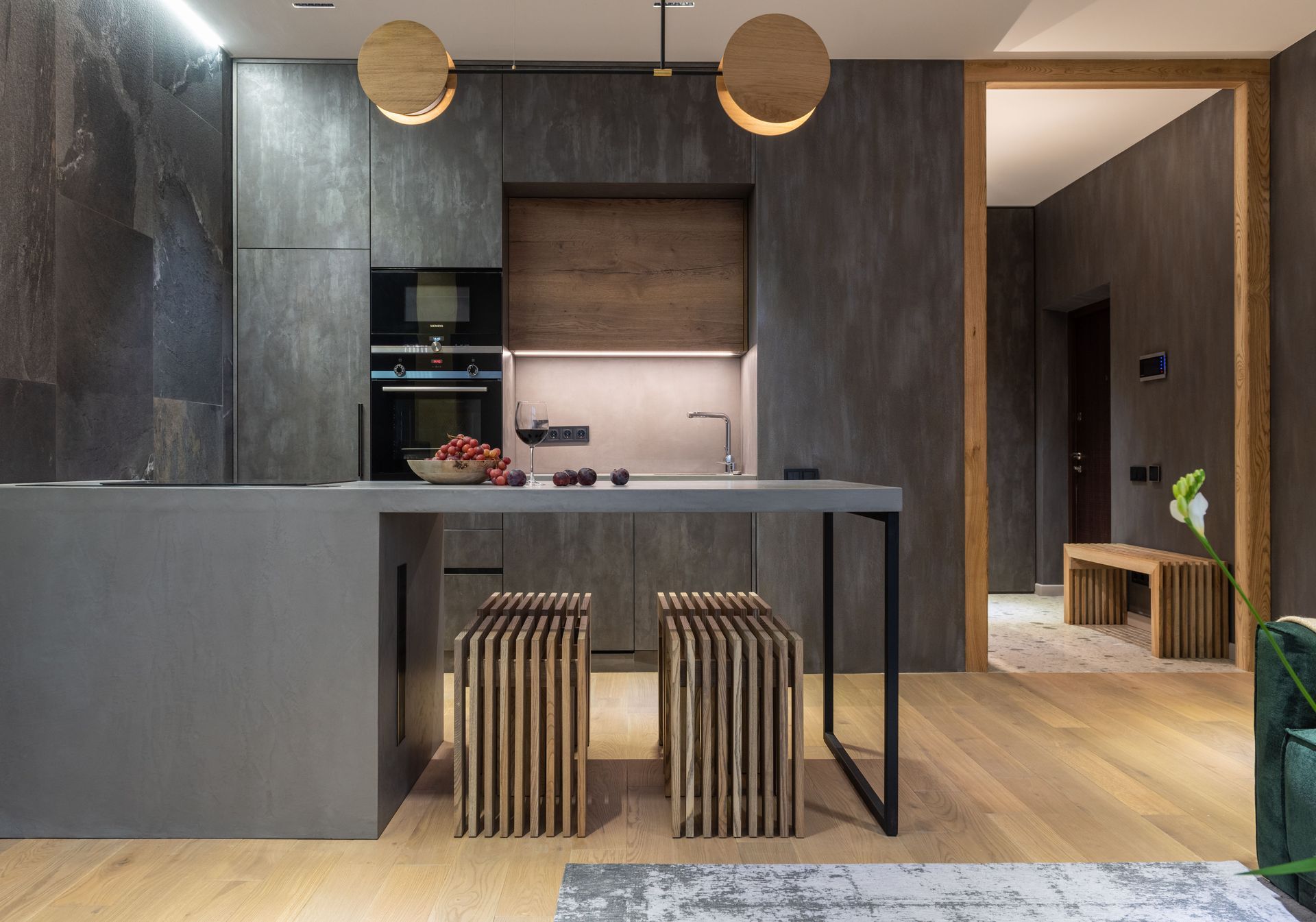
Modern kitchen with dark cabinets, stone island, striped stools, and warm pendant lights
By Grant Cool July 15, 2026
Plain gray concrete is a relic of the past. Modern concrete can shimmer with embedded glass, echo the look of natural stone, glow with deep custom color, and even warm your feet on a frosty morning. If your idea of concrete stops at a dull slab, get ready for a pleasant surprise. At Concrete Rio Rancho, we help homeowners turn ordinary concrete into striking features that reflect their style and lift their entire space. In this guide, you'll explore the most stunning upgrades available for concrete surfaces—decorative finishes, embedded objects, custom coloring, engraving, epoxy coatings, radiant heating, and custom edges. Along the way, you'll pick up practical tips for each option, answers to common questions, mistakes to avoid, and a clear next step to make it all happen. Here's what we'll cover: Decorative finishes that reinvent the look Embedded objects for a truly custom surface Custom coloring that makes concrete yours Engraving, epoxy, radiant heat, and edge profiles Decorative Finishes That Reinvent the Look The finish you choose sets the mood for the entire surface. These three options are the most popular ways to move past plain concrete—and each brings its own personality. Stamped Concrete Stamped concrete presses molds into fresh concrete to replicate brick, slate, cobblestone, or wood planks. You get the high-end look of premium materials without the price tag, the grout lines, or the shifting pavers. It's a standout choice for patios, driveways, and walkways. Exposed Aggregate This finish reveals the natural stones inside the concrete, creating a textured, pebbled surface with real visual depth. It also delivers excellent slip resistance, which makes it a smart pick for pool decks and outdoor steps. Polished Concrete Grinding and polishing the surface produces a sleek, glossy finish that catches the light beautifully. Polished concrete resists stains, asks for little upkeep, and brings a clean, modern feel to interior floors. Practical tip: Match the finish to the space. Smooth polish shines indoors, while textured exposed aggregate keeps things safe wherever water is involved. Embedded Objects for a Truly Custom Surface Want a surface no one else has? Embedding objects into concrete makes it possible. During the pour or finishing stage, we set materials right into the surface for a one-of-a-kind result. Stones and pebbles for an earthy, organic feel Recycled or colored glass that sparkles in the light Seashells for a coastal, personal touch Tile fragments or metal accents for artistic flair Embedded features work beautifully as focal points—picture a decorative border, a countertop flecked with glimmering glass, or a patio inlay that sparks conversation. Practical tip: Objects near the surface need proper sealing to stay secure and vibrant. This is delicate work best left to a professional to avoid loose or uneven results. Custom Coloring That Makes Concrete Yours Color is where concrete truly becomes personal. There are three main ways to add it, each with a distinct effect. Integral Pigments Pigment is mixed into the concrete before it's poured, running color all the way through the material. The result is a consistent, lasting tone that won't fade or chip away over time. Acid Staining Acid stains react chemically with the concrete to create rich, marbled, variegated tones. No two stained surfaces look exactly alike, giving you depth and character that can't be copied. Dyes Concrete dyes deliver bold, vibrant, and precise color. They're ideal when you want a specific shade or a more uniform, saturated look. Practical tip: Combine methods for striking results—an integral base color layered with acid-stain accents, for example. We'll show you samples so you know exactly what to expect before we commit. Engraving and Custom Patterns Engraving cuts designs, borders, or patterns directly into cured concrete. It's a subtle yet powerful way to make a surface feel intentional and unique. Popular options include geometric patterns, tile-look grids, medallions, and even custom logos or family monograms. Engraving pairs especially well with staining, since the cut lines and color work together to define the design. Practical tip: Engraving works on both new and existing concrete, so you can refresh a plain slab you already have—no full replacement required. Epoxy Coatings for Style and Protection Epoxy coatings pull double duty: they look incredible and shield the surface below. Applied over concrete, epoxy forms a durable, seamless layer that resists stains, chemicals, and abrasion. The design possibilities are impressive: Metallic epoxy with swirling, three-dimensional depth Flake or chip systems for a speckled, textured finish Solid colors for a clean, high-gloss look Epoxy is a favorite for garage floors, basements, and high-traffic areas where durability matters as much as style. Practical tip: Surface prep makes or breaks an epoxy job. Proper cleaning, etching, and curing are essential for a coating that lasts—one more reason to trust professional installation. Radiant Heating Beneath Concrete Here's a feature that turns concrete from cool to cozy. Radiant heating systems install beneath the surface, warming the concrete from below and radiating steady, even heat into the room. It's an efficient way to warm floors evenly, banish cold spots, and enjoy toasty surfaces underfoot on chilly mornings. Because concrete holds heat so well, it's a natural partner for radiant systems. Practical tip: Radiant heating must be planned before the pour, so raise it early in the design conversation. Retrofitting later is far more difficult and expensive. Custom Edge Profiles Edges are easy to overlook, but they shape how polished a surface feels. Custom edge profiles define the border of countertops, patios, and steps with a finished, deliberate touch. Options range from crisp, square modern edges to rounded bullnose profiles and decorative chiseled or beveled looks. The right edge pulls the whole design together and signals quality craftsmanship. Practical tip: Balance style with function. Rounded edges are safer in homes with small children, while sharp square edges lean contemporary. Common Mistakes to Avoid A few missteps can undercut even the best design ideas. Keep these in mind: Skipping the sealer. Decorative finishes, colors, and embedded objects all need proper sealing to stay protected and vivid. DIY on complex features. Stamping, embedding, and epoxy demand skill and precise timing. Rushed or amateur work tends to show. Planning heating too late. Radiant systems must go in before the pour—decide early. Ignoring the setting. Choose finishes and colors that complement your home and hold up to how you actually use the space. Frequently Asked Questions Can these features be added to existing concrete? Some can. Engraving, staining, epoxy coatings, and polishing often work on existing surfaces. Others—like embedded objects, stamping, and radiant heating—need to happen during a new pour. Which decorative finish is most durable? All hold up well when sealed correctly. Epoxy and polished concrete are especially tough for high-traffic areas, while stamped and exposed aggregate excel outdoors. Do colored or decorative surfaces need special maintenance? Not much. Regular cleaning and periodic resealing keep colors bright and finishes protected for years. Is radiant heating worth it under concrete? For many homeowners, yes. Concrete holds and radiates heat efficiently, making it a comfortable, even, and cost-effective way to warm a room. Can I combine multiple features? Absolutely. Some of the best results mix finishes—like a stamped patio with custom color and a decorative edge, or a polished floor with engraved accents. **How do I know which features fit my project?**That's where a local expert helps. Concrete Rio Rancho assesses your space, style, and goals, then recommends the options that work best together. Bring Your Concrete Vision to Life Concrete is far more versatile than most people expect. With decorative finishes, embedded objects, custom coloring, engraving, epoxy coatings, radiant heating, and tailored edges, you can transform a plain surface into a genuine showpiece. The secret is choosing the right combination for your space—and installing it correctly so it lasts for years. That's exactly what we do. Concrete Rio Rancho works with you from first idea to final finish, helping you explore stunning options and bring them to life with expert local craftsmanship. Contact Concrete Rio Rancho today to talk through the features you have in mind—and let's create a concrete surface that's truly your own. Meta Title: Stunning Concrete Surface Features | Concrete Rio Rancho Meta Description: Discover stunning features for your concrete surfaces—stamped finishes, embedded glass, custom color, epoxy, radiant heat, and more. Concrete Rio Rancho can help.
Bright modern kitchen with white cabinets, open shelves, and four clear bar stools at a wooden island.
By Grant Cool July 9, 2026
Your countertops do more work than almost any surface in your home. They handle daily cooking, spills, hot pots, and the occasional dropped pan. So when you upgrade them, you want a surface that looks stunning and stands up to real life. Concrete countertops deliver on both counts—and once you understand why, it's hard to look at them the same way again. At Concrete Rio Rancho, we help homeowners see exactly what makes concrete countertops such a smart choice. In this post, you'll learn the key reasons to choose concrete, the value they add to your home, the difference between solid-cast and GFRC, how our team guides you from first sketch to final seal, and the mistakes worth avoiding along the way. The Key Reasons to Choose Concrete Countertops Concrete has quietly become one of the smartest countertop materials available. It pairs the high-end look of natural stone with toughness few surfaces can match—and it can be shaped to fit your exact vision. Here's why homeowners keep choosing it. Durability That Lasts for Decades A properly sealed concrete countertop resists chips, cracks, and the everyday wear that breaks down cheaper materials. It won't peel like laminate or loosen like tile grout over time. Once it's installed right, your countertop becomes a permanent fixture in your kitchen or bath. That longevity is the heart of its value. A one-time investment in concrete often outlasts two or three cycles of budget surfaces, which means you're not replacing anything down the road. Low Maintenance for Everyday Life Concrete asks very little of you. Daily care comes down to a quick wipe with mild soap and water. There's no special polish, no fragile finish to baby, and no grout lines to scrub. Daily: Wipe with mild soap and water. Avoid: Harsh, abrasive cleaners that strip the sealer. Periodically: Reseal to guard against stains and moisture. Keep up with resealing, and the surface stays sharp for years with almost no effort. Heat and Scratch Resistance Where It Counts Concrete is naturally heat-resistant, so setting down a warm dish won't scorch or warp the surface the way it can with softer materials. It also stands up to scratches better than many alternatives, keeping its look intact through years of cooking and prep. Smart habits still help. Using trivets under very hot cookware and a cutting board for knife work protects the sealer long-term. Concrete gives you peace of mind, and a little care goes a long way. Endless Customization This is where concrete truly separates itself. Because it's cast in molds, it can take almost any shape, size, or finish you can imagine. You're never boxed in by standard slab dimensions or a short list of stock colors. Color: Integral pigments run color all the way through the piece for a consistent tone, or surface stains create layered, varied effects with more depth. Texture: Choose a smooth polished surface for a modern look, or a textured finish that mimics natural stone. Specialty finishes: Wood-look concrete brings the warmth of timber with the durability of stone, while polished finishes add a refined, contemporary edge. The result: a countertop that reflects your vision on purpose, not by compromise. The Value Concrete Countertops Add to Your Home A concrete countertop isn't just a pretty surface. It's an upgrade that pays you back in a few clear ways. A unique, high-end look. Each piece is cast individually, so yours is genuinely one of a kind. That distinctive presence reads as quality to guests and buyers alike. Strong buyer appeal. A custom, well-built countertop signals an intentional upgrade rather than a builder-grade afterthought, which helps your home stand out on the market. Lasting durability buyers trust. Concrete's reputation for holding up over decades reassures buyers they won't inherit a repair project. Everyday enjoyment. Beyond resale, you get daily use out of a surface that looks great and works hard. The short version: concrete countertops reward you both now and later—the rare upgrade that blends daily enjoyment with long-term value. Solid-Cast Concrete vs. GFRC: Which Fits Your Project? Not all concrete is built the same way, and the right type depends on your layout and goals. Concrete Rio Rancho helps you weigh both options for each part of your project. When Solid-Cast Concrete Makes Sense Traditional solid-cast concrete is heavy and substantial—there's no way around it. For countertops that sit on sturdy, well-supported cabinetry, that weight is a real advantage. Choose solid-cast when: The surface is a permanent fixture with solid support beneath it. You want maximum durability for a high-use area. You like a rugged, weighty feel. When GFRC Is the Better Choice Glass fiber reinforced concrete (GFRC) is reinforced with glass fibers, which lets it be cast in thinner sections without sacrificing strength. The result is significantly lighter than standard concrete with comparable durability. GFRC works best when: Weight is a concern for your cabinets or structure. You want intricate detail, curved edges, or a sleeker profile. Installation access is tight or tricky. Many projects use a smart mix of both. Our team walks you through which type fits your countertop based on layout, weight, and how you'll use the space. How Concrete Rio Rancho Guides You Through the Process Buying a prefabricated countertop from a big-box store limits you to standard sizes and finishes. Working with a local expert means every element is built for your space, your style, and your home. Concrete Rio Rancho guides you through the entire process from start to finish. Planning your design. We start by learning your space, your style, and how you use your kitchen. Together we map out the shape, dimensions, and layout that fit your home. Choosing finishes and colors. From integral pigments to surface stains and specialty finishes like wood-look or polished concrete, you personalize every detail with our guidance. Casting your countertop. Each piece is cast to your exact specifications, so it fits your space precisely—no awkward seams or off-the-shelf compromises. Professional local installation. Because we work right here in Rio Rancho, you get accurate measurements, reliable scheduling, and expert installation done right the first time. The result is a countertop designed for your life, backed by a team that knows concrete inside and out. Common Mistakes to Avoid A few oversights can undercut an otherwise great countertop. Keep these in mind: Skipping the sealer. Unsealed concrete stains and absorbs moisture more easily. Seal and reseal on schedule. Using harsh cleaners. Abrasive products strip the sealer and dull the finish over time. Going prefabricated. Off-the-shelf pieces rarely fit your exact space and lack the custom look that makes concrete special. Attempting DIY installation. Concrete is heavy and demands precise work. Professional installation protects your investment. Getting these details right from the start protects your countertop for the long haul. Frequently Asked Questions Are concrete countertops worth it? Yes. Their durability, low maintenance, and full customization make them a lasting feature that adds real value and years of enjoyment to your home—so the upfront cost pays you back over time. Do concrete countertops crack easily? A properly cast, reinforced, and sealed countertop resists cracking well. Professional installation and correct sealing are key to keeping the surface solid for decades. Can concrete countertops handle heat? Concrete is naturally heat-resistant, which makes it a strong choice near cooktops and ovens. Using trivets under very hot cookware still helps protect the finish long-term. How do I maintain a concrete countertop? Clean with mild soap and water, avoid abrasive cleaners, and reseal periodically to guard against stains, moisture, and wear. Can Concrete Rio Rancho match a specific color or style? Absolutely. Because each piece is cast in a mold, almost any shape, color, or texture is possible—including finishes designed to complement your home's existing look. Should I choose solid-cast or GFRC? It depends on your project. Solid-cast suits well-supported, high-use surfaces, while GFRC works better for lighter or more detailed installations. We help you decide based on your specific setup. See the Value for Yourself Concrete countertops deliver a rare combination of benefits that few surfaces can match: Durability and longevity that outlast cheaper materials. Low maintenance with simple, everyday care. Heat and scratch resistance built for a working kitchen. Endless customization in color, texture, and finish. A unique, high-end look that adds character and value to your home. The smartest first step is expert help. Concrete Rio Rancho works with you from initial design to final installation, building a countertop made for how you cook, gather, and live. Contact Concrete Rio Rancho today to talk through your ideas and discover just how much value custom concrete countertops can add to your home. Meta Title: Why Invest in Concrete Countertops? | Concrete Rio Rancho Meta Description: Concrete Rio Rancho explains why concrete countertops are worth it—covering durability, low maintenance, custom finishes, and the value they add to your home.
Rustic open-air cabin with wooden tables, stone stove, and snowy outdoor view
By Grant Cool July 2, 2026
An outdoor kitchen turns a plain backyard into the true heart of your home. It's where weekend cookouts, family dinners, and summer gatherings come to life. But building one that lasts—and looks incredible—takes more than a grill and a few pavers. It takes the right material, smart design, and expert guidance. That's where Concrete Rio Rancho comes in. As your local concrete specialist, the team helps homeowners design, customize, and build outdoor concrete kitchens made for the way you cook and entertain. In this post, you'll learn why concrete is the smart choice for an outdoor kitchen, the features worth considering, how the process works from start to finish, and which type of concrete fits your project best. Why Choose Concrete for Your Outdoor Kitchen? Concrete has become the go-to material for outdoor kitchens, and for good reason. It blends strength, style, and staying power in a way few other materials can match. When you weigh it against tile, wood, or prefabricated stone, the advantages stack up quickly. Built to Last for Decades An outdoor kitchen takes daily abuse—hot pans, spilled drinks, constant use, and full exposure to the elements. Concrete handles all of it. It won't rot like wood or rust like metal, and a properly sealed surface resists chips, cracks, and heavy wear. Once it's built right, your kitchen becomes a permanent feature that keeps its shape and function for years. Weather Resistance That Holds Up Rio Rancho weather puts outdoor surfaces to the test—intense high-desert sun, dry heat, sudden monsoon downpours, and cool winter nights. Properly sealed concrete shrugs it all off. It resists UV fading, moisture, and the kind of breakdown that ruins cheaper materials. Your countertops and islands stay sharp through blazing summers and chilly winters alike. Heat Resistance Where It Counts Concrete is naturally heat-resistant, which makes it ideal near cooktops, ovens, and built-in grills. It holds up to high temperatures without warping or scorching the way some materials do. Trivets and hot pads still help protect the finish long-term, but concrete gives you real peace of mind around a hot grill. Almost No Maintenance Required Concrete asks very little of you. A wipe-down with mild soap and water keeps most surfaces looking pristine. There's no annual staining or sealing marathon like you'd face with wood, and concrete naturally resists mold and mildew. Periodic resealing is the one task worth keeping up, and it protects against stains for years. Endless Customization This is where concrete truly shines. Because it's cast in molds, it can take almost any shape, size, or finish you want. You're not limited to standard slab dimensions or a short list of colors. You can personalize every detail: Color: Integral pigments run color all the way through the piece, or surface stains create layered, varied tones. Texture: Choose a smooth polished surface for a modern look, or a textured finish that mimics natural stone. Specialty finishes: Wood-look concrete delivers the warmth of timber with the durability of stone. That flexibility means your kitchen matches your vision on purpose—not pieced together from off-the-shelf parts. Popular Design Elements for an Outdoor Concrete Kitchen A great outdoor kitchen is more than a cooktop. The right mix of features makes it functional, beautiful, and built for gathering. Here are the elements homeowners love most. Concrete Countertops Countertops are the workhorse of any outdoor kitchen. Concrete versions deliver the upscale look of natural stone with better durability and full customization. They're heat-resistant, cast to your exact dimensions, and available in nearly any color or texture. Whether you want a smooth polished surface or a rugged stone-look finish, the choice is yours. Kitchen Islands A concrete island anchors the whole space. It offers prep room, storage, and casual seating in one central hub. Cast as a solid, seamless piece, an island stands up to years of use without wobbling or wearing down—and it becomes the natural gathering point for guests. Outdoor Bars Nothing elevates entertaining like a dedicated outdoor bar. A concrete bar top pairs beautifully with stools and can include built-in features like a sink, ice well, or beverage fridge. The seamless surface wipes clean in seconds, so cleanup never slows the party down. Built-In Grills and Cooktops Concrete surrounds are ideal for built-in grills because they're naturally heat-resistant and won't warp near high temperatures. A custom concrete grill station integrates your cooktop cleanly into the design, replacing that bulky freestanding grill with a polished, permanent centerpiece. Fire Features A concrete fire pit or fireplace extends your kitchen's use well into the cooler months. Concrete handles high heat with ease, making it perfect for fire feature surrounds and surrounding seating. It turns an outdoor kitchen into a true year-round gathering space—especially welcome on cool Rio Rancho evenings. Quick tip: Pick the two or three features that fit how you actually entertain. Build around those first, then expand later if you want. Solid-Cast Concrete vs. GFRC: Which Fits Your Kitchen? Not all concrete is built the same way, and the right type depends on your layout and goals. Concrete Rio Rancho helps you weigh both options for each part of your kitchen. When Solid-Cast Concrete Makes Sense Traditional solid-cast concrete is heavy and permanent—there's no way around it. For built-in countertops, islands, and grill surrounds that stay in one place, that weight is a real advantage. Choose solid-cast when: The feature is a permanent fixture that won't move. You want maximum durability for a high-use surface. You like a rugged, substantial feel. When GFRC Is the Better Choice Glass fiber reinforced concrete (GFRC) is reinforced with glass fibers, which lets it be cast in thinner sections without sacrificing strength. The result is significantly lighter than standard concrete with comparable durability. GFRC works best when: A piece needs to go on a deck, balcony, or raised structure. You want intricate detail, curved edges, or a sleeker profile. Weight limits or installation access are a concern. Many outdoor kitchens use a smart mix of both. Concrete Rio Rancho walks you through which type fits each element based on placement, weight, and how you'll use the space. How Concrete Rio Rancho Designs and Builds Your Kitchen Sourcing prefabricated pieces from a big-box retailer limits you to standard sizes and finishes. Working with a local expert means every element is built for your space, your style, and your climate. Concrete Rio Rancho guides you through the entire process. Planning your layout. The team starts by learning your space, how you cook, and how you entertain. They map out a functional flow—prep zones, cooking areas, and seating—that makes the kitchen effortless to use. Selecting the right materials. Based on placement, weight, and exposure, they recommend solid-cast or GFRC for each feature and help you choose durable, weather-ready surfaces built for the high desert. Choosing custom finishes and colors. From integral pigments to surface stains and specialty finishes like wood-look concrete, you personalize every detail to match your home and outdoor style. Building and installing locally. Because the team works right here in Rio Rancho, you get accurate measurements, reliable scheduling, and professional installation from start to finish. The result is an outdoor kitchen designed for your life—not a generic setup that happens to fit. Common Mistakes to Avoid A few oversights can undercut an otherwise great project. Keep these in mind: Skipping the sealer. Unsealed concrete stains and absorbs moisture more easily. Make sure surfaces are sealed and resealed on schedule, especially with the strong New Mexico sun. Poor layout planning. A kitchen with cramped prep space or awkward flow frustrates you every time you cook. Plan the layout before choosing finishes. Ignoring the climate. Materials and sealers should suit Rio Rancho's dry heat, intense UV, and monsoon rains. Local expertise makes the difference here. Buying prefabricated. Off-the-shelf pieces rarely fit your exact space. Custom work looks more intentional and lasts longer. Getting these details right from the start saves you time, money, and frustration down the road. Frequently Asked Questions Is an outdoor concrete kitchen worth the investment? Yes. Concrete's durability, low maintenance, and custom design make it a lasting feature that adds real value and years of enjoyment to your home. Can concrete countertops handle heat from a grill? Concrete is naturally heat-resistant, which makes it a strong choice near grills and cooktops. Using trivets and resealing on schedule still helps protect the finish long-term. How do I maintain an outdoor concrete kitchen in Rio Rancho? Clean surfaces with mild soap and water, and reseal periodically to guard against stains, moisture, and UV wear. Avoid abrasive cleaners that can strip the sealer. Can Concrete Rio Rancho match a specific color or style? Yes. Because pieces are cast in molds, almost any shape, color, or texture is possible—including finishes designed to complement your home's existing look. Should I use GFRC or solid-cast concrete? It depends on the feature. Solid-cast suits permanent, heavy-use surfaces, while GFRC works better for lighter, detailed, or raised installations. Concrete Rio Rancho helps you decide for each element. Build the Outdoor Kitchen You've Always Wanted An outdoor concrete kitchen delivers a rare mix of durability, weather resistance, heat resistance, low maintenance, and custom style. From countertops and islands to bars, built-in grills, and fire features, the possibilities are broader than most homeowners expect—and the right guidance brings it all together. The smartest first step is expert help. Concrete Rio Rancho works with you from layout planning to the final finish, building a kitchen made for how you cook, gather, and entertain in the high desert. Contact Concrete Rio Rancho today to talk through your ideas and start designing the outdoor concrete kitchen of your dreams. Meta Title: Outdoor Concrete Kitchen Design | Concrete Rio Rancho Meta Description: Design your dream outdoor concrete kitchen with Concrete Rio Rancho. Get expert help with countertops, islands, fire features, custom finishes, and installation.

Book a Service Today